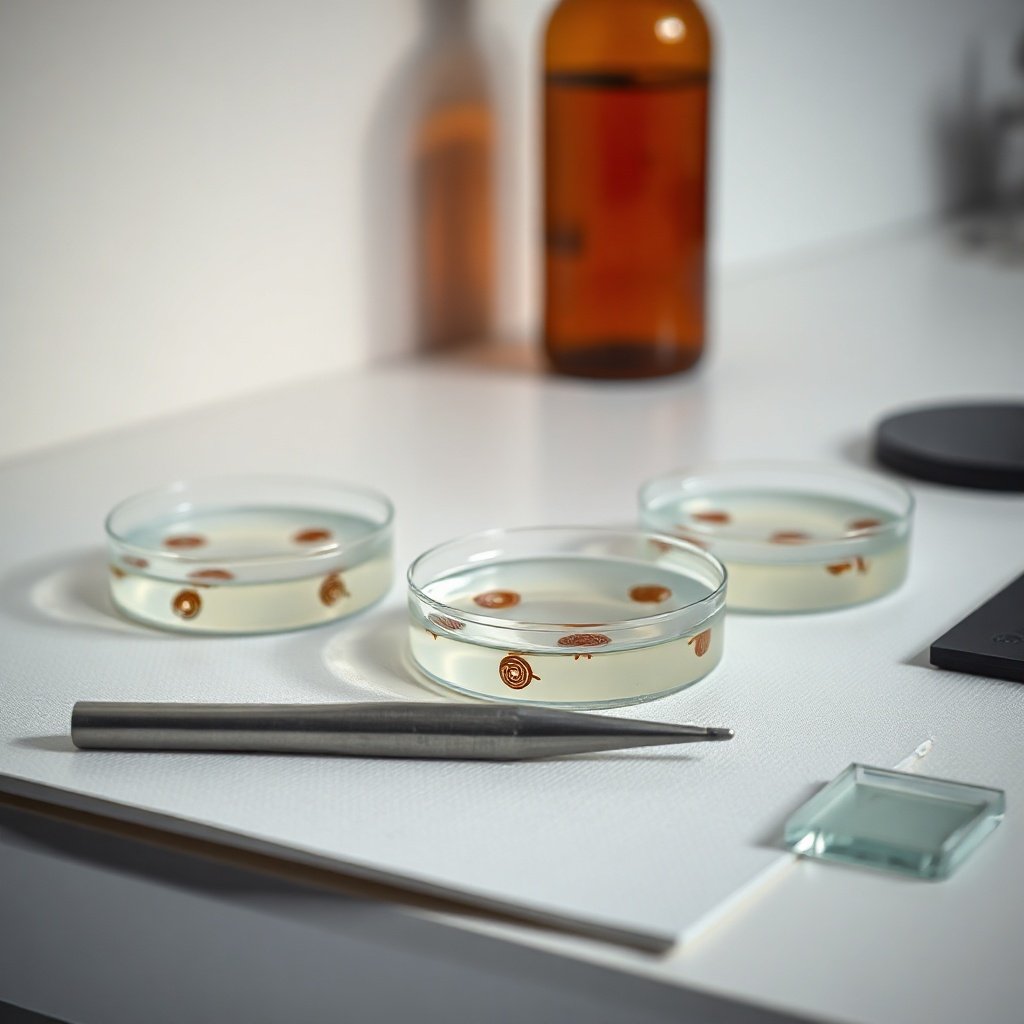
Helicobacter pylori, commonly known as H. pylori, is a bacterium that has garnered a significant amount of attention in the medical community due to its profound impact on gastrointestinal health. Found in the stomach lining, this microscopic organism can thrive in the harsh acidic environment of the stomach, making it uniquely adapted to human biology. While many people harbor this bacterium without experiencing any symptoms, it is also linked to various gastrointestinal disorders, including chronic gastritis, peptic ulcers, and even stomach cancer. Understanding H. pylori is crucial for anyone concerned about their gut health, as its presence can lead to a range of complications if not properly managed.
In this blog post, we will explore the nature of H. pylori and how it affects the gut. Specifically, we’ll discuss whether H. pylori is bad for your guts, highlighting common symptoms of infection and potential health risks. With the rising prevalence of gastrointestinal issues worldwide, it’s imperative to shed light on this often-overlooked bacterium and its implications for digestive health.
What is Helicobacter Pylori?
Definition and Characteristics
Helicobacter pylori is a gram-negative, spiral-shaped bacterium that colonizes the stomach lining. Initially discovered in 1982 by Australian researchers Barry Marshall and Robin Warren, H. pylori has since been recognized as a leading cause of various gastric disorders. This bacterium is notable for its ability to produce urease, an enzyme that neutralizes stomach acid, allowing it to survive in the acidic environment of the stomach. The virulence factors of H. pylori enable it to adhere to gastric epithelial cells, evade the immune response, and induce inflammation.
H. pylori infections are highly prevalent, with an estimated 50% of the global population carrying this bacterium. Transmission typically occurs through oral-oral or fecal-oral routes, often within families or close communities. While many individuals remain asymptomatic, the presence of H. pylori can lead to significant health issues in some cases.
How It Affects the Gut
H. pylori’s impact on the gut is multifaceted. In many individuals, the bacterium can lead to chronic inflammation of the stomach lining, known as chronic gastritis. This condition may present with symptoms such as abdominal pain, bloating, and nausea. In more severe cases, H. pylori can contribute to the development of peptic ulcers, which are painful sores that form on the lining of the stomach or the upper part of the small intestine.
The relationship between H. pylori and gastric cancer is particularly concerning. The World Health Organization has classified H. pylori as a Group 1 carcinogen, indicating a definitive link to stomach cancer. Chronic infection with H. pylori can lead to changes in the stomach lining that predispose individuals to malignant transformations. Thus, understanding how H. pylori affects gut health is critical for effective management and prevention strategies.
Is Helicobacter Pylori Bad for Your Guts?
Common Symptoms of Infection
The symptoms associated with H. pylori infection can vary widely, depending on the individual and the presence of any related conditions. Many people may remain entirely asymptomatic, while others may experience the following:
Abdominal pain or discomfort
Nausea and vomiting
Bloating and excessive gas
Loss of appetite
Unexplained weight loss
In cases where peptic ulcers develop, symptoms may become more pronounced, leading to severe abdominal pain, indigestion, and even gastrointestinal bleeding. It is essential for anyone experiencing these symptoms to seek medical evaluation, as they may indicate an underlying H. pylori infection.
Potential Health Risks
The potential health risks associated with H. pylori infection extend beyond mere discomfort. Chronic infection can lead to several serious conditions, including:
Chronic gastritis: Persistent inflammation of the stomach lining.
Peptic ulcers: Open sores on the stomach or intestinal lining.
Stomach cancer: A significant risk factor linked to long-term H. pylori infection.
MALT lymphoma: A rare type of cancer that originates in the stomach’s mucosa-associated lymphoid tissue.
The link between H. pylori and these serious conditions highlights the importance of early detection and treatment.
Understanding whether H. pylori is bad for your guts is crucial, as it allows individuals to take proactive steps toward maintaining their gastrointestinal health. Addressing an H. pylori infection can significantly reduce the risk of developing these serious health issues, paving the way for improved digestive wellness.
Diagnosis and Treatment Options
Diagnostic Methods
Diagnosing an H. pylori infection involves several methods, each with its advantages and limitations. The most common diagnostic approaches include:
Diagnostic Method
Description
Advantages
Limitations
Breath Test
Patients ingest a urea solution, and breath samples are analyzed for carbon dioxide.
Non-invasive and quick results.
Requires patient cooperation.
Blood Test
Detects antibodies to H. pylori in the bloodstream.
Simple and easy to perform.
May give false positives.
Stool Test
Identifies H. pylori antigens in a stool sample.
Non-invasive and highly accurate.
Requires sample collection.
Endoscopy
A procedure where a flexible tube with a camera is inserted into the stomach for direct examination.
Direct visualization and biopsy potential.
Invasive and may require sedation.
Each of these methods can help confirm the presence of H. pylori, allowing for appropriate treatment to be initiated.
Treatment Approaches
The treatment of H. pylori infection typically involves a combination of medications aimed at eradicating the bacterium and healing the stomach lining. Effective treatment regimens may include:
Antibiotics: Commonly prescribed antibiotics include amoxicillin, clarithromycin, and metronidazole to eliminate H. pylori.
Proton Pump Inhibitors (PPIs): Medications like omeprazole and lansoprazole help reduce stomach acid and promote healing.
Bismuth compounds: Products like Pepto-Bismol can help soothe the stomach and protect the lining.
Combination Therapy: Often referred to as “triple therapy,” which includes two antibiotics and a PPI for effective eradication.
Quadruple Therapy: In some cases, a fourth medication is added, which can include another antibiotic or bismuth.
Ensuring compliance with the treatment regimen is crucial for successful eradication of the bacterium and the prevention of recurrence.
Preventive Measures
Lifestyle Changes
Preventing H. pylori infection involves adopting certain lifestyle changes that can reduce the risk of transmission and promote overall gut health. Key changes include:
Practicing good hand hygiene, especially before meals.
Drinking clean, treated water to avoid fecal contamination.
Avoiding close contact with individuals who have an active H. pylori infection.
Reducing stress, which can exacerbate gastrointestinal issues.
Making these lifestyle adjustments can significantly minimize the risk of infection and support a healthier digestive system.
Dietary Recommendations
Diet plays a crucial role in gut health and can help mitigate the effects of H. pylori. Consider incorporating the following dietary recommendations:
Probiotics: Consuming yogurt or fermented foods can help restore balance to the gut microbiome.
Fiber-rich foods: Fruits, vegetables, and whole grains can promote digestive health.
Antioxidant-rich foods: Berries, nuts, and dark leafy greens can help reduce inflammation.
Avoiding irritants: Reducing intake of spicy foods, alcohol, and caffeine can alleviate symptoms.
Incorporating these dietary strategies can aid in maintaining gut health and potentially reduce the risk of complications associated with H. pylori.
Myths and Misconceptions
Debunking Common Myths
Despite the wealth of information available about H. pylori, several myths persist regarding its nature and effects. Here are some common misconceptions:
1. H. pylori is only found in people with symptoms. 2. Drinking alcohol can cure H. pylori infections. 3. All people infected with H. pylori will develop ulcers. 4. H. pylori can be transmitted through casual contact.
Understanding the Facts
It is essential to differentiate fact from fiction to better understand H. pylori. The reality is that:
Many individuals can carry H. pylori without any symptoms, making it crucial to get tested if you experience gastrointestinal discomfort.
Alcohol does not eradicate H. pylori and may actually worsen gastritis.
While H. pylori is a significant risk factor for ulcers, not everyone infected will develop them, as individual susceptibility varies.
H. pylori transmission is primarily through oral-oral or fecal-oral routes, not casual contact.
Understanding these facts can help individuals make informed decisions regarding their health and the management of H. pylori infections.
Current Research and Findings
Recent Studies on Gut Health
Recent research has intensified the focus on Helicobacter pylori due to its substantial implications for gut health. A 2023 study published in the Journal of Gastroenterology highlighted the complex relationship between H. pylori and the gut microbiome. Researchers found that individuals infected with H. pylori exhibited distinct microbial profiles compared to non-infected individuals, suggesting that this bacterium may influence the diversity and composition of gut flora.
Moreover, a meta-analysis conducted in 2022 reviewed over 50 studies and concluded that successful eradication of H. pylori significantly improved symptoms of dyspepsia and reduced the incidence of gastric cancer. These findings underline the critical role of managing H. pylori infections to maintain gut health and prevent serious diseases.
Study Title
Year
Key Findings
The Impact of H. pylori on Gut Microbiome
2023
Changes in microbial diversity linked to H. pylori infection.
Eradication of H. pylori and Gastric Cancer Risk
2022
Successful treatment reduces the risk of gastric cancer.
H. pylori and Functional Dyspepsia
2021
Eradication leads to significant symptom relief.
Implications for Future Treatments
The ongoing research into H. pylori has paved the way for innovative treatment strategies. One area of interest is the potential use of probiotics as adjunct therapy in H. pylori eradication regimens. Recent trials have suggested that certain probiotic strains can enhance the effectiveness of standard antibiotic treatments, reduce side effects, and improve patient compliance.
Furthermore, researchers are exploring the development of vaccine candidates aimed at providing long-term protection against H. pylori infections. A promising candidate, currently in clinical trials, focuses on inducing a robust immune response to prevent colonization by the bacterium.
The evolving knowledge around H. pylori emphasizes the need for personalized treatment approaches that consider individual microbiome compositions and risk factors for better health outcomes.
The Role of Gut Health in Overall Wellness
Beyond the immediate implications of H. pylori, the health of the gut is increasingly recognized as a cornerstone of overall wellness. The gut microbiome, which consists of trillions of microorganisms, plays a vital role in various bodily functions, including digestion, immune response, and even mental health. Research has shown that a balanced gut microbiome can enhance mood and cognitive function, while an imbalanced one can contribute to anxiety, depression, and other mood disorders.
Integrating Gut Health into Daily Life
To support a healthy gut, it’s beneficial to adopt a holistic approach that includes physical activity, stress management, and mindful eating practices. Here are some practical tips to help you foster a healthier gut:
Regular Exercise: Engaging in physical activity not only helps maintain a healthy weight but also encourages the growth of beneficial gut bacteria. Aim for at least 150 minutes of moderate exercise weekly, which can include activities such as brisk walking, cycling, or swimming.
Mindful Eating: Take time to eat slowly and savor your meals. This practice can aid digestion and help prevent overeating, which can negatively impact gut health. Incorporating a variety of foods into your diet, especially those rich in fiber, can also support microbial diversity.
Hydration: Drinking plenty of water is essential for maintaining gut health. Water helps dissolve nutrients and soluble fiber, promoting regular bowel movements and preventing constipation. Aim for at least eight 8-ounce glasses of water daily, adjusting for activity level and climate.
Stress Management Techniques: Chronic stress can disrupt the gut microbiome, leading to various gastrointestinal issues. Incorporate relaxation techniques such as yoga, meditation, or deep-breathing exercises into your routine. These practices not only reduce stress but also promote a sense of overall well-being.
Limit Processed Foods: Highly processed foods often contain artificial additives, sugars, and unhealthy fats that can harm gut health. Focus on consuming whole, unprocessed foods, such as fresh fruits and vegetables, lean proteins, and healthy fats like those found in avocados and nuts.
The Future of H. pylori Research
As research advances, scientists are continually discovering more about Helicobacter pylori and its interactions with the host. Emerging studies are investigating the potential of dietary interventions and personalized nutrition to manage H. pylori infections effectively. For instance, studies suggest that incorporating certain polyphenol-rich foods, such as green tea, berries, and dark chocolate, may have a protective effect against H. pylori and could enhance the efficacy of treatment regimens.
Moreover, the exploration of genetic factors influencing susceptibility to H. pylori infection is paving the way for personalized medicine approaches. By understanding individual genetic predispositions, healthcare providers may be able to tailor treatment strategies to improve eradication rates and minimize side effects.
Conclusion
In conclusion, Helicobacter pylori is a significant factor in gastrointestinal health, with far-reaching effects on overall wellness. Understanding how to prevent and manage H. pylori infections through lifestyle changes, dietary adjustments, and ongoing research is essential for maintaining gut health. By fostering a balanced microbiome and staying informed about the latest developments in H. pylori research, individuals can take proactive steps toward a healthier life. Embracing a holistic approach to gut health not only enhances digestive function but also contributes to overall physical and mental well-being. As we continue to learn more about the intricate connections between the gut and the body, it becomes increasingly clear that nurturing our gut health is a vital investment in our long-term health.
Conclusion
In summary, Helicobacter pylori is a significant player in gastrointestinal health, with implications that extend from mild discomfort to severe conditions like gastric cancer. Understanding the nature of H. pylori and its effects on the gut is vital for effective diagnosis, treatment, and prevention. Ongoing research continues to shed light on innovative strategies to combat this bacterium, emphasizing the importance of tailored approaches in managing gut health. Awareness and proactive measures can help mitigate the risks associated with H. pylori, contributing to improved overall digestive wellness.
Frequently Asked Questions
What are the common symptoms of H. pylori infection?
Common symptoms of H. pylori infection include abdominal pain, nausea, bloating, loss of appetite, and in some cases, weight loss. If these symptoms are present, it’s advisable to consult a healthcare provider for evaluation.
How is H. pylori diagnosed?
H. pylori can be diagnosed using several methods, including breath tests, blood tests, stool tests, and endoscopy. Each method has its own advantages and limitations, and the choice depends on the clinical scenario.
Can H. pylori infection lead to other health issues?
Yes, chronic H. pylori infection is associated with several serious health issues, including chronic gastritis, peptic ulcers, and even gastric cancer. Early detection and treatment are essential to prevent these complications.
How can I prevent H. pylori infection?
Preventive measures include practicing good hygiene, such as washing hands regularly, drinking safe water, and avoiding close contact with infected individuals. Additionally, a healthy diet and lifestyle can support gut health.
Is treatment for H. pylori effective?
Yes, treatment for H. pylori is generally effective, especially when following a prescribed regimen that includes antibiotics and proton pump inhibitors. Compliance with treatment is crucial for eradication and reducing the risk of recurrence.
Learn how easy it is to make sauerkraut at home. It’s a fermentation classic that adds a sour flavor and probiotics to any meal. This simple recipe will show you how to make it with just cabbage and salt. If you’ve ever wondered, how do…
Many people look for probiotic-rich foods to help their gut health. But does cream cheese have probiotics? This is a big question for those wanting to eat well and support their gut. Health fans often wonder about probiotics in cream cheese. It’s key to know…
Adding probiotic fruits to your diet can change your digestive health. These fruits taste great and are full of good bacteria. They help keep your gut healthy. As we learn more about gut health, eating these fruits daily is key. They improve digestion, boost immunity,…
Goat milk kefir is a tasty and healthy drink you can make at home. It tastes fresher and richer than store-bought versions. You get to control what goes into it. This guide will teach you how to make it, highlighting its health benefits and how…
White kimchi radish is a tasty twist on traditional kimchi. It offers amazing flavor and health perks. Learning how to make white kimchi is fun for those who want to eat healthier. This guide shares a recipe from a Chicago Korean family, making it easy…
Green bean kimchi is known for its high probiotic content. It’s a food that’s good for your gut health. This makes it a great choice for keeping your digestive system balanced. Let’s explore why green bean kimchi is so special. We’ll also look at the…